| The Home page of ILPI's Safety Data Sheet (SDS) Resource, the leader in SDS information since 1995! | |
| The history and philosophy behind this resource. | |
| A curated collection of books and reference materials concerning Safety Data Sheets and closely related topics. | |
| Paste your plain text SDS into the SDS-Demystifier, and it will be converted into a hypertext-enriched document with links to detailed explanations of each key term. | |
| An extensive list of frequently asked questions about Safety Data Sheets including regulations, content, compliance, and more. | |
| A humorous take on Safety Data Sheet jargon. Fill in the blanks on our entry form to generate a personalized Unsafety Data Sheet to share with your coworkers. | |
| Since 1995, we've maintained this massive curated list of the best places to find Safety Data Sheets on the Internet. | |
| Way more than a glossary, this hypertext-enhanced resource covers hundreds of SDS-related terms and expert knowledge. Each entry includes both the SDS relevance and links to additional authoritative resources. | |
| Archived results of Safety Data Sheet related polls taken by some of our millions of site visitors | |
| You are here! The OSHA regulations behind SDS regulations, including the inspection guidelines and over 400 official interpretations letters under the Hazard Communication Standard | |
| Commercial suppliers of SDS authoring and management software as well as cloud compliance services. | |
| Commercial companies that will create SDS's for your specific needs as well as SDS translation companies. |

Safety signs, banners, and scoreboards? Get yours at Safety Emporium!
OSHA Hazard Communication Letters of Interpretation
Material safety data sheets for liquid plant food.
- Issued
- Record type
- Interpretation
- Historical standard
- 1910.1200, 1987 expanded rule (PDF)
- Current standard
- HCS 2024, as amended
ILPI assessment: Consumer-use distinction retained; exemption requires employer demonstration
This letter addresses the HCS as expanded in 1987, an obsolete version of the Hazard Communication Standard (HCS). Its distinction between consumers and occupational users remains relevant. However, a manufacturer's expectation of consumer-like use is not itself enough to establish the exemption for every downstream workplace.
Under the current HCS, the consumer-product exemption (FAQ explanation) requires the employer to show intended consumer use and workplace exposure duration/frequency no greater than reasonably experienced by consumers. Evaluate the actual work, not just package size or product marketing. For nonexempt hazardous products, apply current manufacturer/distributor SDS duties.
Last reviewed: .
About this ILPI assessment
This comparison with current requirements is not a finding that OSHA has formally withdrawn this letter. This assessment reflects editorial judgment informed by human review and AI assistance. It is an opinion, may contain errors or omissions, and is not an official OSHA determination. For guidance on how OSHA requirements apply to your circumstances, contact your local OSHA office.
OSHA's notice about interpretation letters
The following notice is published on OSHA's interpretation pages; it is general guidance, not a letter-specific withdrawal notice.
OSHA requirements are set by statute, standards and regulations. Our interpretation letters explain these requirements and how they apply to particular circumstances, but they cannot create additional employer obligations. This letter constitutes OSHA's interpretation of the requirements discussed. Note that our enforcement guidance may be affected by changes to OSHA rules. Also, from time to time we update our guidance in response to new information. To keep apprised of such developments, you can consult OSHA's website at https://www.osha.gov.
Source: OSHA's original letter page.
April 21, 1988
Mr. A.Y. Schultz
President
Schultz Company
Post Office Box 173
St. Louis, Missouri 63043
Dear Mr. Schultz:
This is in response to your letter of February 9, regarding the need for material safety data sheets for your liquid plant food.
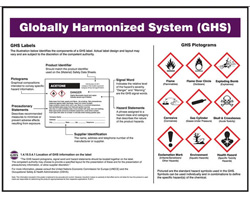
Ensure your workers are trained with safety posters and more from Safety Emporium.
As discussed with Mr. Steven Simon of my staff during a telephone conversation on February 19, the Occupational Safety and Health Administration's Hazard Communication Standard (HCS) does not apply to consumers. You would, therefore, not have to supply consumers with material safety data sheets.
The HCS exempts consumer type products if the employer can demonstrate it is used in the workplace in the same manner as normal consumer use, and such use results in a duration and frequency of exposure which is not greater than exposures experienced by consumers.
Based on your experience and knowledge of your product, if you determine that downstream employees will not be exposed differently from consumers, then your product would be exerted from coverage under the HCS; and material safety data sheets would not have to be provided to your customers.
[ILPI note: At issuance: 1910.1200, 1987 expanded rule (PDF). The current consumer-product exemption (FAQ explanation) places the demonstration on the employer. A supplier's general prediction about customers is not a blanket exemption for all occupational use.]
If I can be of further assistance, please feel free to contact me again.
Sincerely,
Thomas J. Shepich, Director
Directorate of Compliance Programs
The original official public domain version of this document is available from OSHA at https://www.osha.gov/laws-regs/standardinterpretations/1988-04-21.