I have not heard anything about this on the news, but it should be concerning for anyone working with sensitive nuclear, biological or chemical information:
https://www.bankinfosecurity.com/leading-nuclear-energy-testing-lab-suffers-major-data-breach-a-23665
BruceV
From: ACS Division of Chemical Health and Safety <DCHAS-L**At_Symbol_Here**Princeton.EDU> On Behalf Of Ralph Stuart
Sent: Friday, November 24, 2023 8:46 AM
To: DCHAS-L**At_Symbol_Here**Princeton.EDU
Subject: [DCHAS-L] Railyard explosion, inspections raise safety questions about Union Pacific’s hazmat shipping
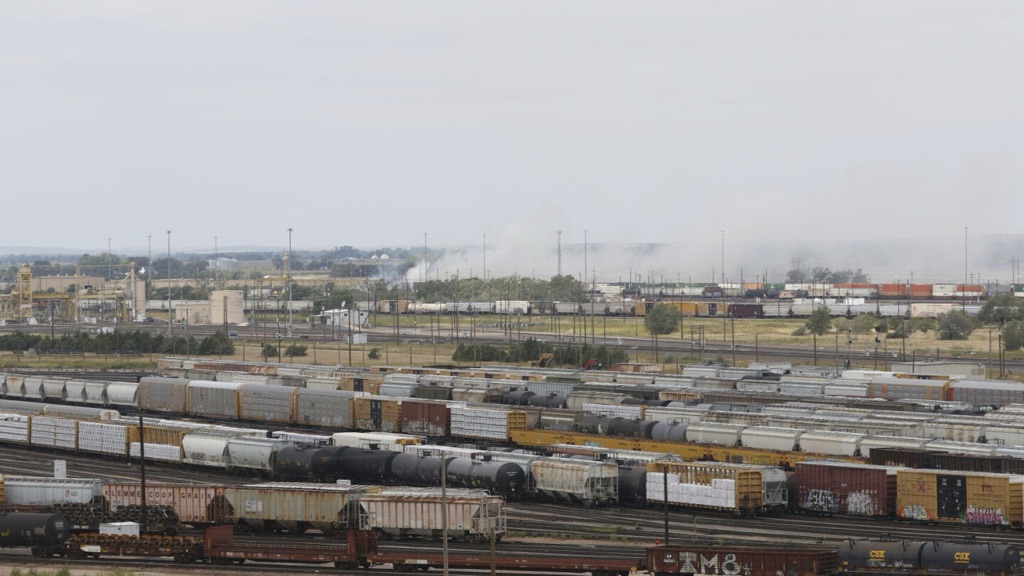
OMAHA, Neb. (AP) — Federal inspectors have twice found hundreds of defects in the locomotives and railcars Union Pacific uses at the world’s largest railyard in Nebraska, but none of those seem to explain why a shipping container filled with toxic acid exploded there this fall.
Investigators haven’t confirmed the cause of the Sept. 14 blast in a remote corner of the railroad’s Bailey Yard in North Platte, Nebraska, about 250 miles west of Omaha. The explosion didn’t spread far, but investigators appear to be delving into the questionable decision to load dozens of plastic barrels of perchloric acid inside a shipping container with a wood floor and possibly atop wooden pallets, even though that acid is known to react with wood or any other organic material.
“I don’t know if you’ve ever read about perchloric acid, but when it comes in contact with organic material, it becomes highly volatile. So that car was doomed from the day it was loaded,” said Andy Foust, a Nebraska leader of the largest rail union that represents the workers who were switching those railcars just before the explosion.
The explosion highlighted not only potential problems at the sprawling railyard but also the national rail network’s reliance on everyone involved in shipping hazardous materials taking proper precautions. As the Nebraska explosion made clear, there can be problems that are hard to spot before potentially disastrous accidents occur
Some details about the explosion might never be known because the shipping container carrying the acid was destroyed. Federal Railroad Administration spokesman Warren Flatau said “the leaked acid reacted with the wooden floor of the intermodal container, and any other organic material within the container (i.e., pallets).”
The resulting explosion propelled shrapnel up to 600 feet away and prompted first responders to evacuate everyone within a mile outside the railyard. After the first container exploded, a second metal shipping container — believed to hold memory foam — fell down on top of it and caught fire, but no other cars ignited.
--- For more information about the DCHAS-L e-mail list, contact the Divisional membership chair at membership**At_Symbol_Here**dchas.org