Solid and Hazardous Waste Newsletter |
|
EPA is Hosting a Webinar in October about the Upcoming Permitting Updates Proposed Rule |
|
EPA is currently developing the Permitting Updates Proposed Rule. In this action, EPA will propose regulatory amendments along with various updates and clarifications mainly to the hazardous waste treatment, storage, and disposal and permitting standards. These proposed changes intend to:
- Codify established policies, reflect current information and standards.
- Improve understanding and compliance with the regulations.
- Make technical corrections and other conforming changes to address inadvertent errors and remove obsolete references.
EPA will host a public webinar on Thursday, October 13, 2022, from 2:00-3:00 PM (ET). Register in advance to attend the webinar: |
|
EPA Announces “Roadmap to 100% Electronic Manifest” Meeting |
EPA will convene the newly appointed Hazardous Waste Electronic System (“e-Manifest”) Advisory Board for a three-day virtual public meeting on October 4-6, 2022, from approximately 10:00 AM to 6:00 PM EST. The purpose of the meeting is for EPA to seek the Board’s consultation and recommendations about the e-Manifest system.
|
|
EPA Seeks Comments on Two Proposed Coal Combustion Residuals Determinations |
|
On July 12, 2022, EPA proposed determinations on the deadline extension requests for unlined coal combustion residuals surface impoundments to stop receiving waste submitted for Calaveras Power Station in San Antonio, Texas, and Mountaineer Plant in Letart, West Virginia. EPA is proposing to conditionally approve the requests, which would require the facilities fix certain issues before EPA will approve the requests. EPA will accept comments on these proposals until September 26, 2022 through the dockets for these facilities in Regulations.gov.
|
|
EPA Explores Concerns Involving Drum Reconditioning Facilities |
|
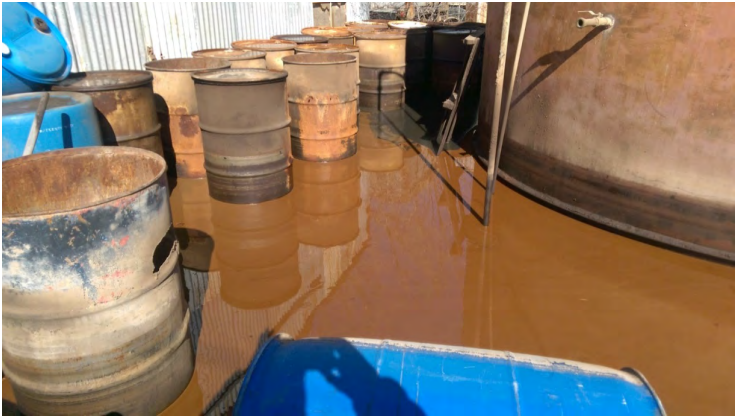
Drum reconditioning facilities clean and recondition metal and plastic drums and intermediate bulk containers for resale, reuse, or disposal. These containers previously held a variety of materials including hazardous chemicals, paints, resins, tars, adhesives, oils, soaps, solvents, or related materials. The two main processes used for reconditioning are burning metal drums in burn-off ovens or furnaces and washing metal or plastic drums or containers with water and/or caustic solutions to clean and remove residues.
On September 8, 2022, EPA published a report that examines documented instances where incidents at drum reconditioning facilities are causing lasting damage to human health and the environment. This report also helps analyze the regulatory and waste issues surrounding drum reconditioning facilities, notifies the public of this issue, and engages interested parties early in the process to address and mitigate these issues.
|
 |
|
EPA Publishes a Guide Laying Out the Definition of Solid Waste (DSW) Rulemakings |
|
On August 11, 2022, EPA issued the Implementation Guide for the DSW Exclusion Found in Title 40 of the Code of Federal Regulations (CFR) Section 261.4(a)(24). This Guide summarizes the current state of the recycling exclusions promulgated under EPA’s DSW rulemakings. The litigation history around the DSW rulemakings from 2008 to 2018, coupled with a state’s ability to be more stringent than the federal requirements, has resulted in a complex national landscape for this exclusion. This Guide explains that complexity.
You can find the Guide in the Compliance section on the DSW rulemaking webpage: |
|
Institute for Tribal Environmental Professionals Posts Recordings of the 2022 Tribal Lands and Environment Forum Sessions |
|
The Tribal Lands and Environment Forum is attended by over 700 tribal environmental professionals, U.S. EPA, state, local, and federal agencies, community organizations, and other interested parties. Participants share knowledge and learn from one another on topics such as how to improve management, protection, and restoration of Tribal Lands. This year’s TLEF was held in Milwaukee, Wisconsin, August 8-11, 2022 as a hybrid event.
In August, U.S. EPA presented the following sessions:
- National Recycling Strategy and New Multi-Million Dollar Grant Opportunities: Solid Waste Infrastructure for Recycling and Recycling Education and Outreach.
- U.S. EPA Regulatory Activities - Per- and Polyfluoroalkyl Substances.
- Memorandum of Understanding Between the Indian Health Service and U.S. EPA.
- Landfills/Transfer Stations 101 and Much, Much More!
- U.S. Department of Agriculture Rural Development and U.S. EPA Solid Waste Grant Programs.
- Native Reflections: Paths to U.S. EPA Employment.
|
|
EPA Overhauls the All Hazards Waste Management Planning Tool |
On August 10, 2022, EPA launched a new version of the All Hazards Waste Management Planning Tool. This interactive online tool helps users develop pre-incident waste management plans for both natural and man-made disasters. The intended user community for this tool is primarily planners at the local, state, and tribal levels, as well as owners and operators of large facilities (e.g., chemical plants).
The new features of this tool include improved estimation of waste volumes based on specific information about structures in impacted areas, updated and more detailed information on waste management facilities, the ability to add information on transportation options, and integration with other EPA disaster debris systems. EPA expects that this tool will lead to the development of more pre-incident planning resources, enhancing the resiliency of our nation’s ability to respond to disasters.
|
|
EPA Stresses the Importance of Overseeing the Validity of Financial Assurance Mechanisms |
On June 17, 2022, EPA issued a memorandum communicating existing guidance and new standard operating procedures about overseeing the validity of financial assurance required under the Resource Conservation and Recovery Act. This memorandum responds to findings from the Office of Inspector General in its 2017 report titled “Self-insurance for Companies with Multiple Cleanup Liabilities Presents Financial and Environmental Risks for EPA and the Public.”
|
|
The purpose of this newsletter is to provide stakeholders with updates about the federal solid and hazardous waste programs. This newsletter is used to send out announcements about rulemakings, upcoming webinars, guidance documents, open comment periods and other related communications. |
|
|
|
|
|