From:
Debbie Decker <debbie.m.decker**At_Symbol_Here**GMAIL.COM>
Subject:
[DCHAS-L] Psychological Safety is Lab Safety: Using RAMP to Assess DEIR Hazards
Date:
Oct 25, 2023 17:22 UTC
Reply-To:
ACS Division of Chemical Health and Safety <DCHAS-L**At_Symbol_Here**Princeton.EDU>
In-Reply-To:
<263b989ce4a94786b58af6ffeb1826c1@341921710>
Plus Tips for Abstracts, Self-healing Polymers, and Nanobots

Co-produced with the Committee on Chemical Safety and the ACS Division of Chemical Health and Safety
|
Thursday, Nov. 9th | 2-3pm ET
Co-produced with the Committee on Chemical Safety and the ACS Division of Chemical Health and Safety
|
|
|
|
|
|
What You Will Learn
- What is a DEIR hazard and what are some ideas on how to mitigate these risks
- How one might apply the RAMP assessment concept to DEIR hazards
- Anecdotes from academia and industry regarding how marginalization, stereotyping, unconscious or conscious bias, or other forms of exclusion have directly or indirectly led to increased safety incidents in the lab
|
|
|
|
You've likely gone to work tired or stressed and had difficulty focusing which lead to more mistakes, poor collaboration, and sub-optimal results. Now imagine that you feel this way every day at work, and the stakes are higher because those mistakes can lead to dangerous lab incidents. Challenges around Diversity, Equity, Inclusion and Respect are often thought of as HR issues, but toxic lab culture leads scientists to engage in risky lab behavior to protect their psychological safety at the detriment of their physical safety. Join authors of the JACS
editorial “Reducing Risk: Strategies to Advance Laboratory Safety through Diversity, Equity, Inclusion, and Respect,” as they discuss how to advance lab safety by addressing DEIR hazards using the RAMP risk assessment framework.
|
|
|
|
|
|
|
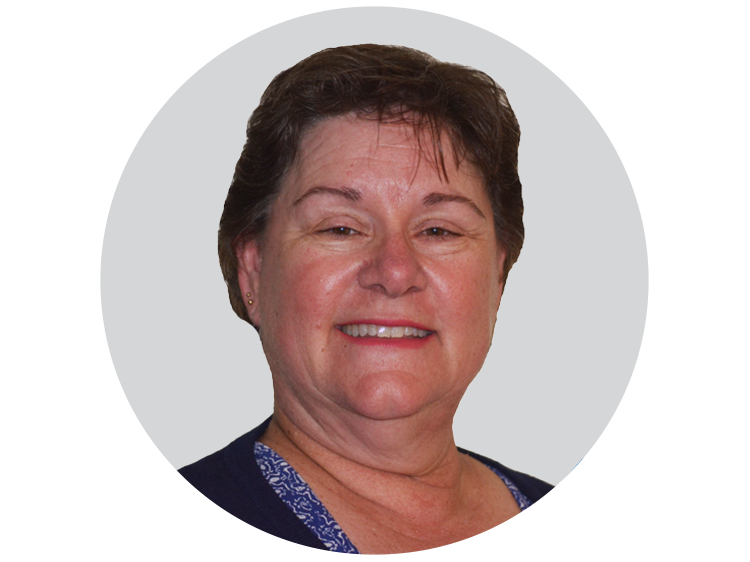
Debbie M. Decker
Retired Safety Manager
|

|
Anna L. Dunn
Director of Safety Engineering Laboratories, Merck
|
|
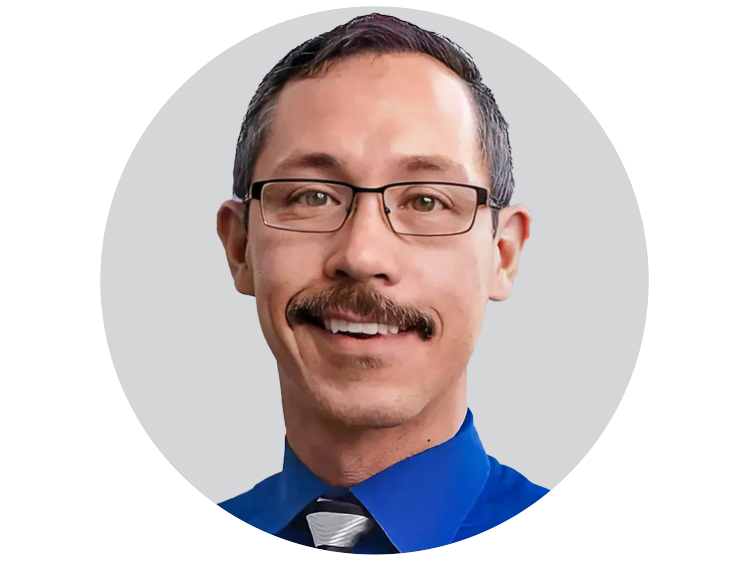
Daniel Jacques
Instructional Support Specialist,
SUNY Brockport
|
|
|
|
What You Will Learn
- What is a DEIR hazard and what are some ideas on how to mitigate these risks
- How one might apply the RAMP assessment concept to DEIR hazards
- Anecdotes from academia and industry regarding how marginalization, stereotyping, unconscious or conscious bias, or other forms of exclusion have directly or indirectly led to increased safety incidents in the lab
|
|
|
|
What's Next on ACS Webinars?
|
|
|
|
miércoles, el 1 de Noviembre
2-3pm ET
Dra. Katherine Villa Gómez del Instituto Catalán de Investigación Química (ICIQ) se discutirá el desarrollo de microrobots que tienen la capacidad de absorber energía lumínica para autopropulsarse y al mismo tiempo pueden eliminar diferentes tipos de contaminantes tóxicos presentes en el agua, tales como metales pesados, bacterias y compuestos orgánicos.
|
|
|
|
Thursday, November 2nd
2-3pm ET
Special rebroadcast! It is more important than ever that your title, abstract, and table of contents graphic stand out. Executive Editor, Osvaldo Oliveira Jr. of ACS Applied Materials & Interfaces teaches you how to ethically optimize these elements for maximum attention-grabbing impact, including real-life illustrations of both good and bad examples.
|
|
|
|
Thursday, November 16th
2-3:30pm ET
What if we could invent materials that can repair themselves when damaged? Learn about the "mechanophore hypothesis" and its impact on future polymer material design, including the history of polymer mechanochemistry over the past two decades. Then, explore several examples of materials-chemistry interplay in polymer mechanochemistry highlighting how scientists can use embedded mechanochemical reactions to probe, influence, and even rewrite the performance rules of polymeric materials.
|
|
|
|
Just Added to the ACS Webinars Library
|
|
|
|
Open Access to the General Public
Before utilizing targeted covalent inhibitors (TCI), drugs that formed a covalent bond with targets did so non-selectively, which often led to undesired side effects. Join a panel of experts from CAS and Totus Medicines who share valuable insights into the emerging targeted covalent inhibitor research landscape.
|
|
|
|
*Registering for ACS Webinars requires a FREE ACS ID (no membership required). Webinar recordings will be added to the ACS Webinars Library which is reserved for ACS Members with the Premium package. Note: you may need to use different browsers like Mozilla Firefox and Internet Explorer if errors occur.
|
|
|
|
|

---
For more information about the DCHAS-L e-mail list, contact the Divisional membership chair at
membership**At_Symbol_Here**dchas.org