

About This Archive | DCHAS-L 2024 Index | DCHAS-L Yearly Index | DCHAS-L Home Page
Subject: [DCHAS-L] Job Opening at UCLA
Date: Feb 28, 2024 16:01 UTC
Author: Kolodziej, Christopher <ckolodziej**At_Symbol_Here**EHS.UCLA.EDU>
Subject: Re: [DCHAS-L] School Incident with Dry Ice
Date: Feb 28, 2024 17:53 UTC
Author: Rob Toreki <info**At_Symbol_Here**ILPI.COM>
From: David EldrEdge <Dave.EldrEdge**At_Symbol_Here**NALTIC.COM>
Subject: Re: [DCHAS-L] School Incident with Dry Ice
Date: Feb 28, 2024 16:52 UTC
Reply-To: ACS Division of Chemical Health and Safety <DCHAS-L**At_Symbol_Here**Princeton.EDU>
In-Reply-To: Re: [DCHAS-L] School Incident with Dry Ice
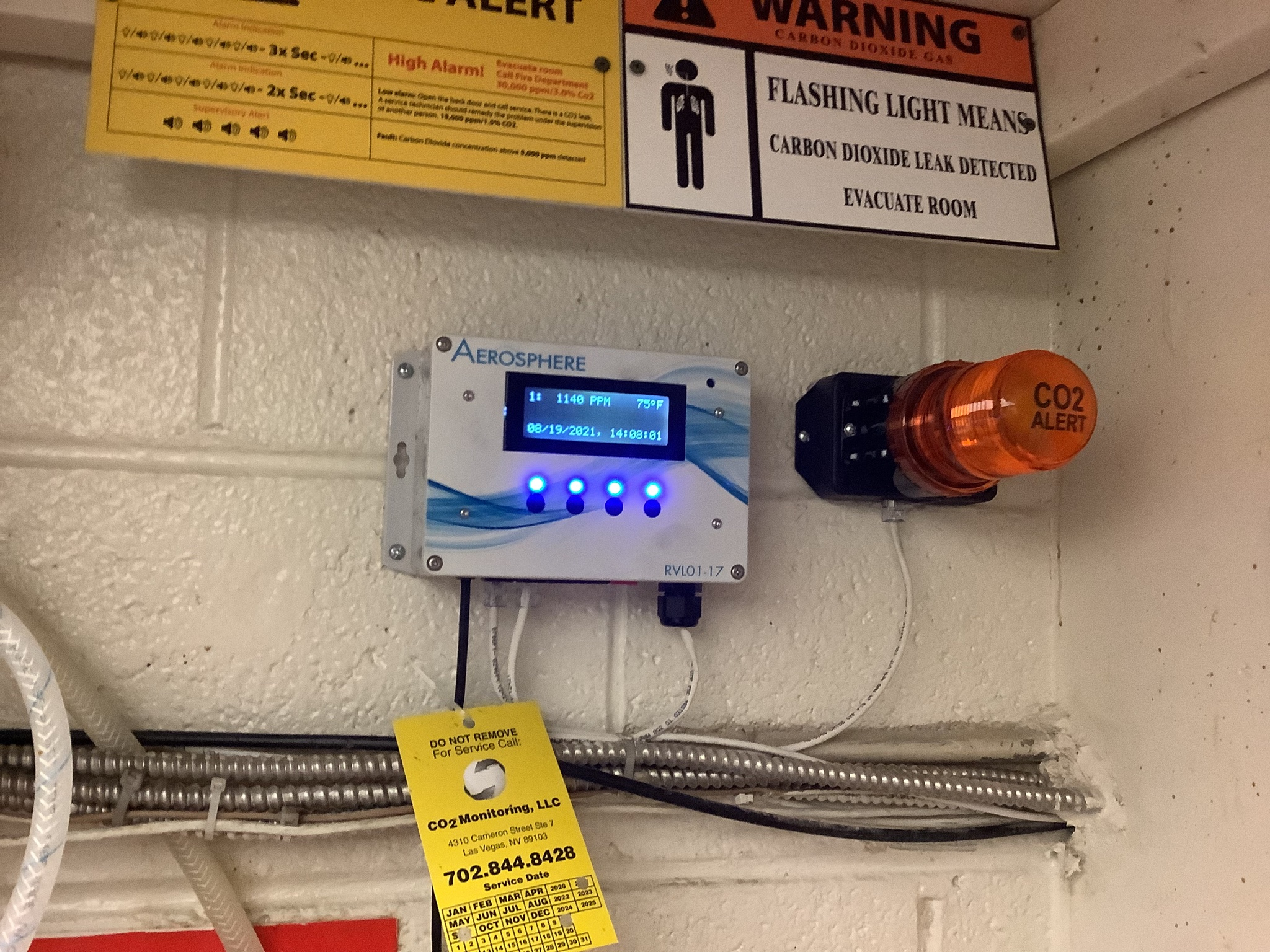
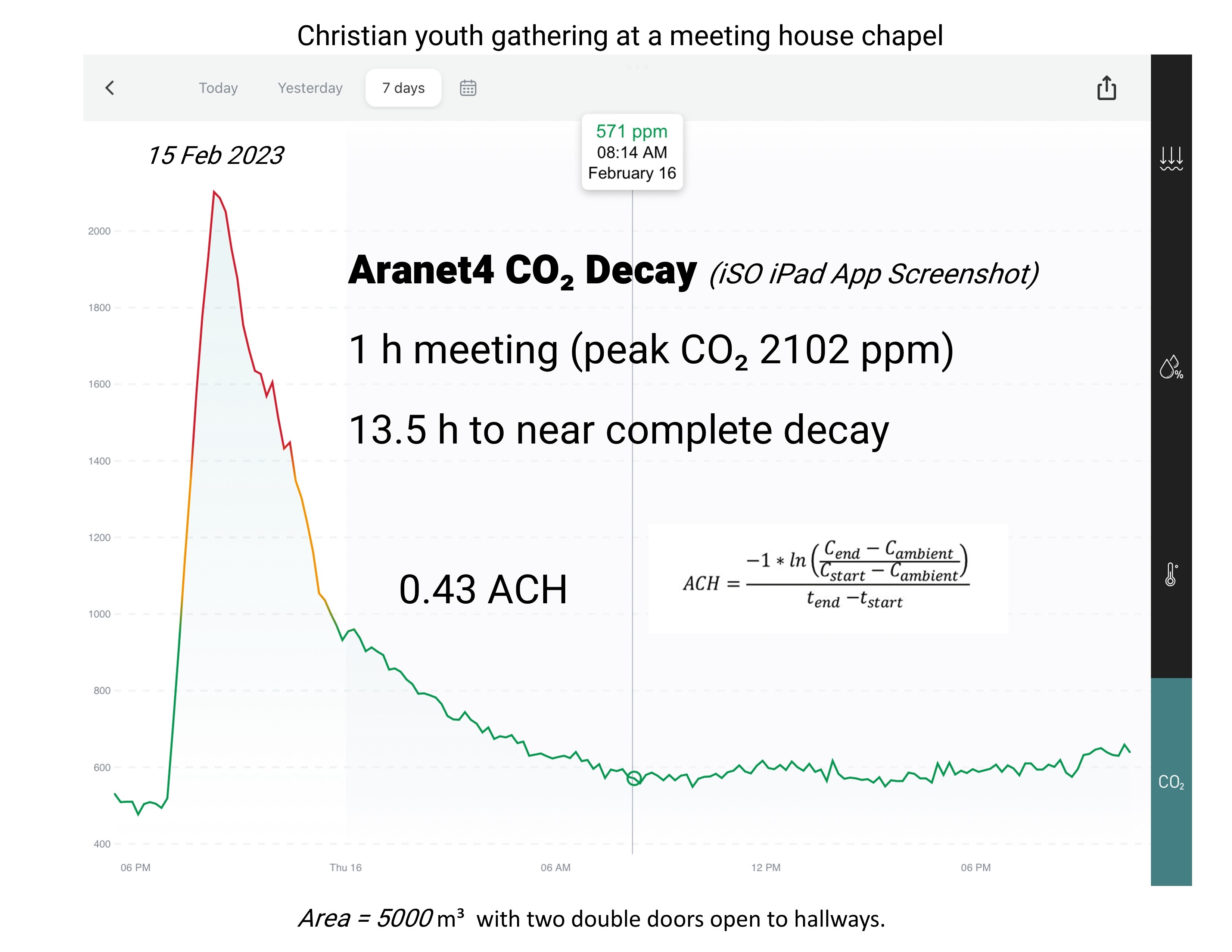
--- For more information about the DCHAS-L e-mail list, contact the Divisional membership chair at membership**At_Symbol_Here**dchas.orgRe, the particular dry ice experiment, I use several cases in my teaching in which people died from doing this kind of nonsense when the ventilation was not up to removing the CO2 rapidly enough.I've thought about this kind of problem for decades. And I've hazcom-trained teachers including science teachers in grade schools and high schools. You can't ask them to do a risk assessment. They don't know even the most rudimentary things about how the chemicals interact with our bodies, basic physics, PPE, or ventilation. In fact, many of them have myths and misconceptions about health and safety that they also pass on to their students.I've decided that the thing that needs to be done is to teach science along with the toxicology and precautions needed for each chemical used in demonstrations and in labs -- AT THE TIME THE STUDENT FIRST ENCOUNTERS THE CHEMICALS.In plain speak: No person completes any art, theater, or science curriculum in which chemicals or chemical products were used who doesn't know;a) where their lungs are and how they work, and the same with all major organ systems;b) enough physics to know how gases, vapors, particles of all sizes behave in the air;c) how the body absorbs chemicals and what they do there;d) how to select and properly use PPE for those chemicals;e) know the basics of ventilation including how various types of fume hoods work and why (in art, how kiln, welding, and other local exhaust systems work and why); andf) the basic occupational regulations that apply to what they do.And schools need to stop teaching science in buildings that are not equipped with the proper ventilation and equipment. I offer into evidence the fact that my 40-hour course, starting with the first time I taught it in 1980, would take hold in a school and then be dropped from the curriculum within a year or two. The reason always was that, if the course is taught properly, students soon are able to realize that their labs and studios are not properly equipped and their teachers know less about health and safety than they now do. In one university three years after the course was instituted, there were 5 workers' comp cases and two personal injury law suits filed from teachers and students who claimed harm from the conditions in the hell-hole of a building they were in. The school built a new building -- that was better, but still not properly equipped. This leads me to conclude that administrators also should be required to take the course.Safety cannot be left up to individual teachers or a couple of tool box lectures. It needs to be a formal, for credit, required course for a minimum of a semester.MononaOn Sunday, February 25, 2024 at 11:51:48 AM EST, Monique Wilhelm <biocmst**At_Symbol_Here**gmail.com> wrote:--- For more information about the DCHAS-L e-mail list, contact the Divisional membership chair at membership**At_Symbol_Here**dchas.orgI do not have any additional details. Although I do suggest anyone working with hazardous materials with groups (or otherwise) to do a risk assessment and have appropriate controls in place as well as plans for any incidents that could occur.
The content of this page reflects the personal opinion(s) of the author(s) only, not the American Chemical Society, ILPI, Safety Emporium, or any other party. Use of any information on this page is at the reader's own risk. Unauthorized reproduction of these materials is prohibited. Send questions/comments about the archive to secretary**At_Symbol_Here**dchas.org.
The maintenance and hosting of the DCHAS-L archive is provided through the generous support of Safety Emporium.