| The Home page of ILPI's Safety Data Sheet (SDS) Resource, the leader in SDS information since 1995! | |
| The history and philosophy behind this resource. | |
| A curated collection of books and reference materials concerning Safety Data Sheets and closely related topics. | |
| Paste your plain text SDS into the SDS-Demystifier, and it will be converted into a hypertext-enriched document with links to detailed explanations of each key term. | |
| An extensive list of frequently asked questions about Safety Data Sheets including regulations, content, compliance, and more. | |
| A humorous take on Safety Data Sheet jargon. Fill in the blanks on our entry form to generate a personalized Unsafety Data Sheet to share with your coworkers. | |
| Since 1995, we've maintained this massive curated list of the best places to find Safety Data Sheets on the Internet. | |
| You are here! Way more than a glossary, this hypertext-enhanced resource covers hundreds of SDS-related terms and expert knowledge. Each entry includes both the SDS relevance and links to additional authoritative resources. | |
| Archived results of Safety Data Sheet related polls taken by some of our millions of site visitors | |
| The OSHA regulations behind SDS regulations, including the inspection guidelines and over 400 official interpretations letters under the Hazard Communication Standard | |
| Commercial suppliers of SDS authoring and management software as well as cloud compliance services. | |
| Commercial companies that will create SDS's for your specific needs as well as SDS translation companies. |

Safety signs, banners, and scoreboards? Get yours at Safety Emporium!
Biological Oxygen Demand
Definition
Biological oxygen demand (BOD) (also called biochemical oxygen demand) refers to the amount of oxygen that would be consumed if all the organic materials in a one liter water sample were oxidized by bacteria and protozoa. The units are typically milligrams of oxygen per liter.
Additional Info
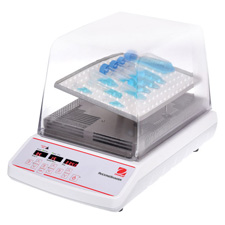
Safety Emporium has all kinds of lab equipment such as this incubating rocking shakers and more.
BOD is good measure of the contamination level of a water supply. It is used primarily for waters that receive pollution from sewage and industrial wastes.
The first step in a BOD determination is taking a water sample from the test area and diluting it with a known volume of distilled water. The solution is then thoroughly shaken to insure oxygen saturation. The amount of dissolved oxygen is determined and the sample is sealed and placed in darkness for five days so as not to stimulate algal growth. During this five day incubation period, microorganisms in the sample will decompose the organic materials and consume oxygen in the process. The dissolved oxygen is then measured again. The difference between the initial and final readings is directly proportional to the amount of organic material in the original sample. BOD's are generally expressed as milligrams of dissolved oxygen per liter, which is equivalent to parts per million, PPM.
BOD levels can vary considerably. Pristine water sources may show a BOD of less than 2 mg/L of water. Raw sewage typically has BOD readings in the hundreds of mg/L and food-processing wastes may be in the thousands of mg/L.
Dissolved oxygen (DO) levels are crticially important to aquatic life. Aquatic systems with high BOD's may have very low dissolved oxygen levels (2 to 4 mg/L DO versus 8 mg/L DO or healthy water bodies), particularly if there are no mechanisms for introducing oxygen such as waterfalls, dams, rapids etc. Low dissolved oxygen levels can cause (or be a major contributing factor) to fish kills and "dead zones".
SDS Relevance
Section 12 of SDS's that conform to OSHA's implementation of the Globally Harmonized System (GHS) in the HCS 2012 regulation may list the environmental fate of the material and involve discussion of how the material affects BOD. However, while SDS's are required to contain Sections 12 through 15, OSHA does not have the rulemaking authority to require manufacturers to provide content for those sections and they are deemed "non-mandatory". Therefore, Section 12 is blank on many SDS's although many conscientious SDS authors will provide whatever information they can.
When BOD may appears on an SDS it is usually used to indicate how readily the material is decomposed by naturally occurring microorganisms. Ecological information may be required SDS content in countries other than the US.
Further Reading
- Biological Oxygen Demand Overview.
- Basics of Wastewater Treatment at the Barnstable County (MA) Department Of Health And Environment. Available thanks to the Internet Archive.
- Wastewater Quality Indicators and Biochemical oxygen demand at Wikipedia.
- Creeping Dead Zones with satellite photos at NASA.
- Aquatic Acute Toxicity Tests Database at the U.S. Geological Survey.
See also: Decomposition, hypoxia.